Dried Fruit
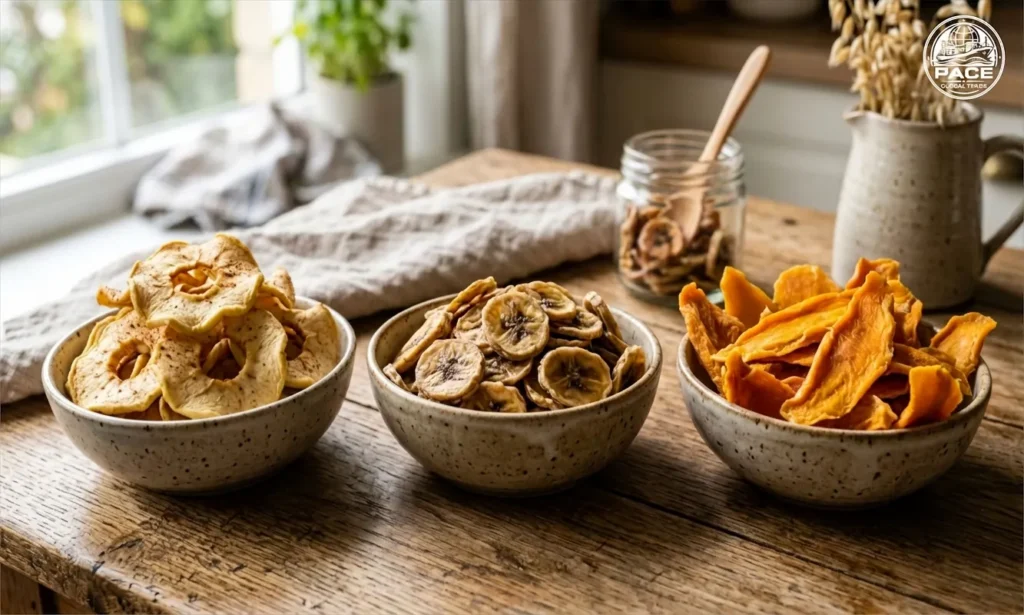
There’s something satisfying about doing things the old way, but doing them well. Long before anyone had a refrigerator, people dried fruit under the sun so it would survive winter, or a long trip somewhere. It wasn’t some wellness trend — it was just common sense. You had good fruit, and you didn’t want to waste it. Honestly, that’s still the whole idea behind what we do. We take fresh fruit, pick it carefully, and turn it into something that keeps its flavor and its nutrition long after the season it grew in has passed.
We’re not a big, faceless operation. We’re a small team that grows, sources, and processes fruit because we actually like eating it ourselves — and that’s the bar we hold everything to. If we don’t serve it at our own table, it doesn’t go out the door. Now we’re hoping to get it onto yours too, whether you’re just looking for a better snack option at home or you’re running a business that needs a supplier it can actually rely on.
What We Do
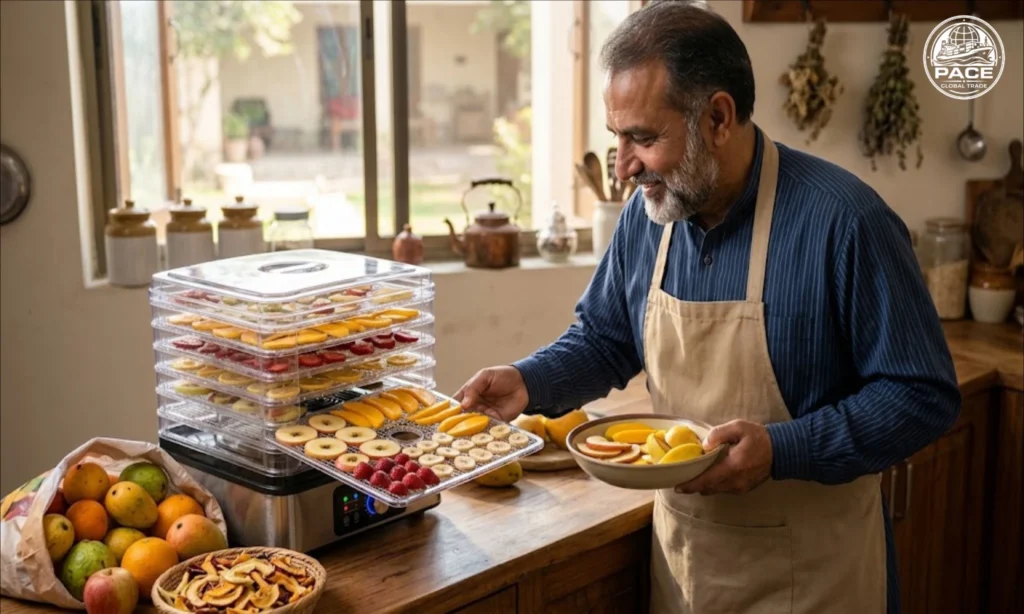
Put simply, we make dried fruit and dehydrated fruit, and we do it in a way that keeps as much of the natural flavor, color, and nutrition as possible. No shortcuts. No throwing in a bunch of additives to fake it. Just fruit, dried properly.
It starts before the fruit ever sees a dehydrator — with picking it at the right time. That sounds obvious, but timing actually matters a lot more than people assume. Fruit picked too early or too late just doesn’t dry the same, and you can taste the difference.
From there, depending on what we’re working with, we use controlled dehydration to slowly pull the moisture out while holding onto the taste and texture that made the fruit good to begin with. It’s slower than how a lot of big operations do it, but it’s really the only way to end up with something that still tastes like the fruit — just more concentrated, easier to carry around, and able to last for months.
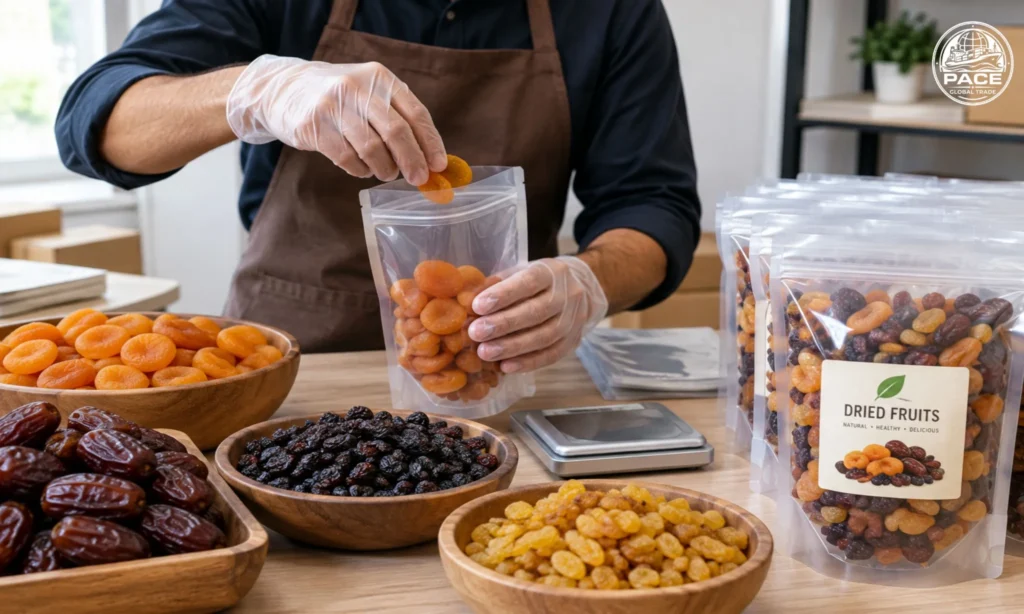
We also sweat the small stuff: slicing things evenly, drying batches consistently, and packaging that actually keeps things fresh instead of letting them go stale somewhere between our facility and your kitchen.
Our Product Range
Here’s what we currently make and sell:
Dried apricot — soft, tangy-sweet, and nicely colored. Good on its own, good chopped into oatmeal, good baked into things. It’s pretty versatile.
Dried apple — sliced thin, dried to a good bite, with just a mild natural sweetness. Works in granola, works in trail mix, and honestly a lot of people just eat it straight out of the bag.
Dried mango — chewy, tropical, sweet without being sugary. This one’s consistently our most-requested item, and once you try it, it’s not hard to see why.
Dried banana — we do both crisp and soft styles here. Same familiar banana flavor, just in a form that lasts a whole lot longer than the fresh version. Some people like the crunch, some prefer the chew — we’ve got both covered.
Dried orange — bright, citrusy, and honestly kind of beautiful to look at. A lot of businesses use it in teas or as a garnish because it dresses things up without much effort.
Dried watermelon — not something a lot of people expect, but it tends to win people over fast. The natural sugars concentrate as it dries, so you end up with something chewy and almost candy-like.
Dried guava — musky, tropical, and got a lot of personality. It’s been a staple in international markets for a long time, and it’s slowly finding its way into more households closer to home too.
Dried peach — soft and naturally sweet, with a little caramelized note that shows up during drying that you just don’t get from a fresh peach. It’s a small change, but people notice it.
Dried pears — subtly sweet, almost honey-like at the finish. Soft enough to eat right from the bag, but sturdy enough to hold up in baked goods or on a cheese board.
Whatever you’re ordering — one bag or a full pallet — it’s all packed carefully to stay fresh from our facility to wherever it’s headed, whether that’s your kitchen counter, a store shelf, or a shipping container.
Why Choose Our Dried Fruit
Quality control, start to finish. We handle the whole process ourselves — sourcing, drying, packaging — so every batch is consistent. We’re not handing this off to someone else who doesn’t care about it the way we do.
No unnecessary additives. We’d rather let the fruit speak for itself than cover it up with added sugar or preservatives. What you’re tasting is the actual fruit, just concentrated.
Reliable supply. Small personal order or ongoing bulk supply for a café, store, or export business — we can handle either one without the hiccups you sometimes get from smaller or less established suppliers.
Custom packaging. Retail shelves, wholesale distribution, private labeling — we can package to fit whatever your business actually needs, because we know it’s not one-size-fits-all.
Who We Work With
Our dried fruit and dehydrated fruit products end up with all kinds of buyers, including:
- Grocery stores and supermarkets wanting a solid dried fruit section
- Health food shops and specialty snack retailers
- Bakeries and food manufacturers using dried fruit as an ingredient
- Hotels, restaurants, and cafés
- Exporters and distributors looking for a dependable supplier
- Regular customers who just want good dried fruit shipped to their door
Doesn’t matter which one you are — the goal’s the same: something consistent, something flavorful, something you’ll want to order again.
FAQ’s
Place an Order or Get in Touch
If any of this sounds like something you want — a single bag of dried mango for the pantry, or a bulk order of dried apricot for your business — reach out. We’d genuinely like to hear from you.
Get in touch to:
- Ask about current pricing and what’s in stock
- Talk through bulk or wholesale orders
- Discuss custom packaging or private labeling
- Place a direct order for delivery
You can reach our sales team by phone, email, or through the contact form on our website, and we’ll get back to you quickly with whatever you need to move forward.
At the end of the day, this business comes down to one idea: fruit, dried the right way, doesn’t lose what made it good in the first place. From dried apple to dried guava and everything in between, we’re proud of what we make — and we’re ready to get it to you.
-
Leather Wallet
When we talk about leather wallet wholesale supply, we’re talking about buying these wallets – once they’ve been manufactured – as bulk orders. This includes purchasing them from a manufacturer or distributor at tiered trade prices. Buyers are often retailers, brands, or corporate gifting teams who agree to purchase a certain number of each item…
-
Animal Salt
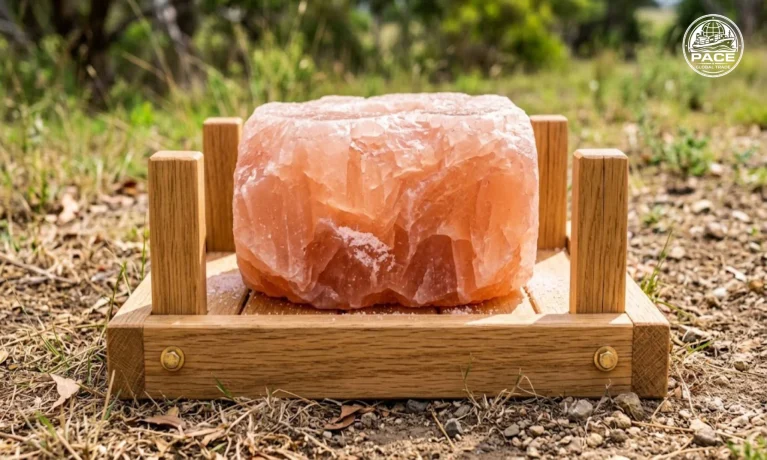
Animal salt is salt that people make for livestock and horses. It is sold as small loose grains. It is also sold as a hard block that animals chew or lick. In both forms, it provides sodium and chloride. These are key parts of a normal ration. If you work as a distributor, run a…
-
Leather Belts
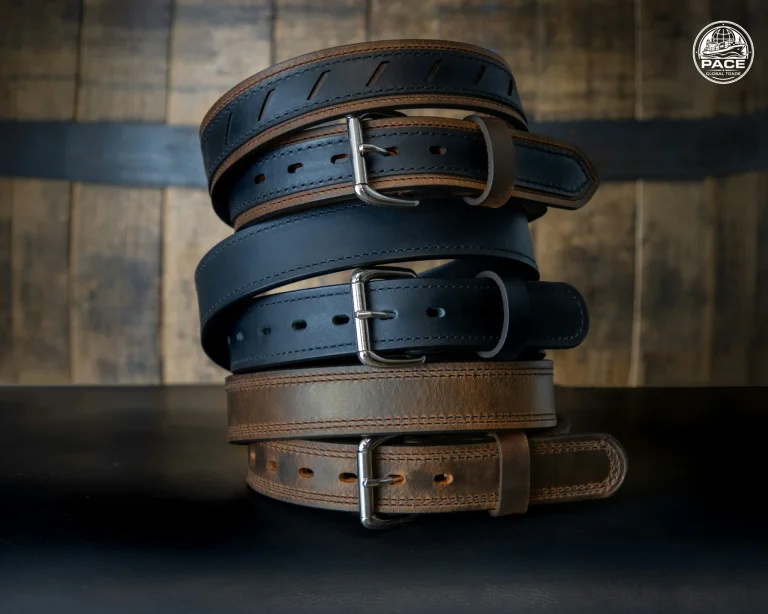
If you’ve bought belts from a store in Europe, the UK, or North America, there’s a decent chance one of them started life in a workshop like ours. At Pace Global Trade, we cut, edge, paint, and stitch leather belts in Pakistan for importers, private-label brands, uniform suppliers, and retailers. The brand name on the…
-
Himalayan Salt Lamp
You’ve probably seen one somewhere. On a friend’s bedside table, in a spa waiting room, or glowing in the corner of a café that had the lights turned down a bit too low. A few years ago, you’d mostly find salt lamps in health shops. Now they’re in homes, hotels, and gift stores just about…
-
Bath Salts
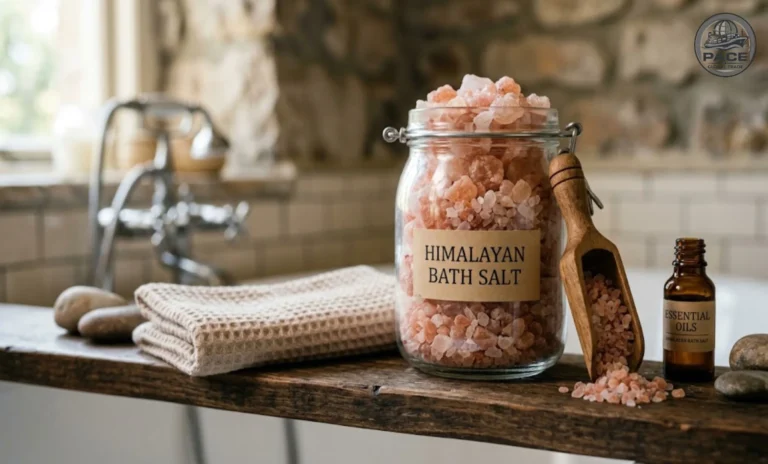
People have been soaking in mineral-rich water for a very long time — way before anyone slapped the label “self-care” on it. Ancient cultures built entire rituals around natural salted springs, convinced that a good soak could ease aching joints, calm angry skin, and generally put a person back in balance. That instinct never really…
-
Pink Salt Block
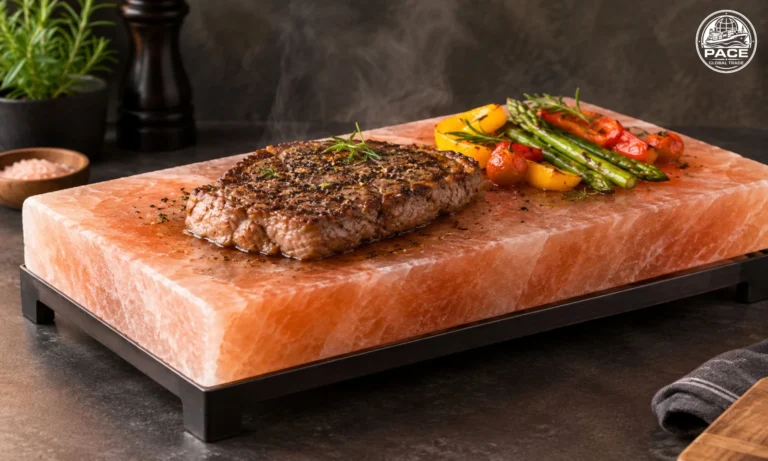
You might have seen those pink salt block posts on social media. The block is usually a thick, rosy slab, and it often looks almost too nice to use. Still, that look is part of the appeal. We kept one on our counter for a while. At first, we used it one time just because…